Social Demos, episode 2
How is training data for autonomous vehicles actually built?
Self-driving headlines are about the cars. The real work is the data pipeline behind them. This is an interactive walkthrough of that pipeline, from fleet capture to the evaluation loop. Everything below is a synthetic simulation. The pipeline is what we deliver.

Stage 01
Fleet capture
Vehicles stream multi-sensor data all day. Camera, lidar and radar frames arrive by the terabyte. Most of it is routine. The pipeline's first job is knowing what to keep.
Camera
62% of raw volume, 0.4% kept
Eight to twelve surround views at 30 frames a second, day and night.
Lidar
24% of raw volume, 0.4% kept
Sweeping point clouds that give range where a camera only gives pixels.
Radar
9% of raw volume, 0.6% kept
Coarse returns that hold up in rain, spray and glare when vision degrades.
Telemetry
5% of raw volume, 3.1% kept
Steering, braking, speed and stack decisions, timestamped against every frame.
Figures are illustrative. The ratio is the point. Storing everything is affordable for a week and ruinous for a year, so the decision about what survives is made early.
Stage 02
Edge-case mining
Models fail on what they rarely see. Scrub the timeline below. The markers are edge cases a mining pass flagged in this simulated drive. Click any marker to inspect the frame and the reason it was flagged.
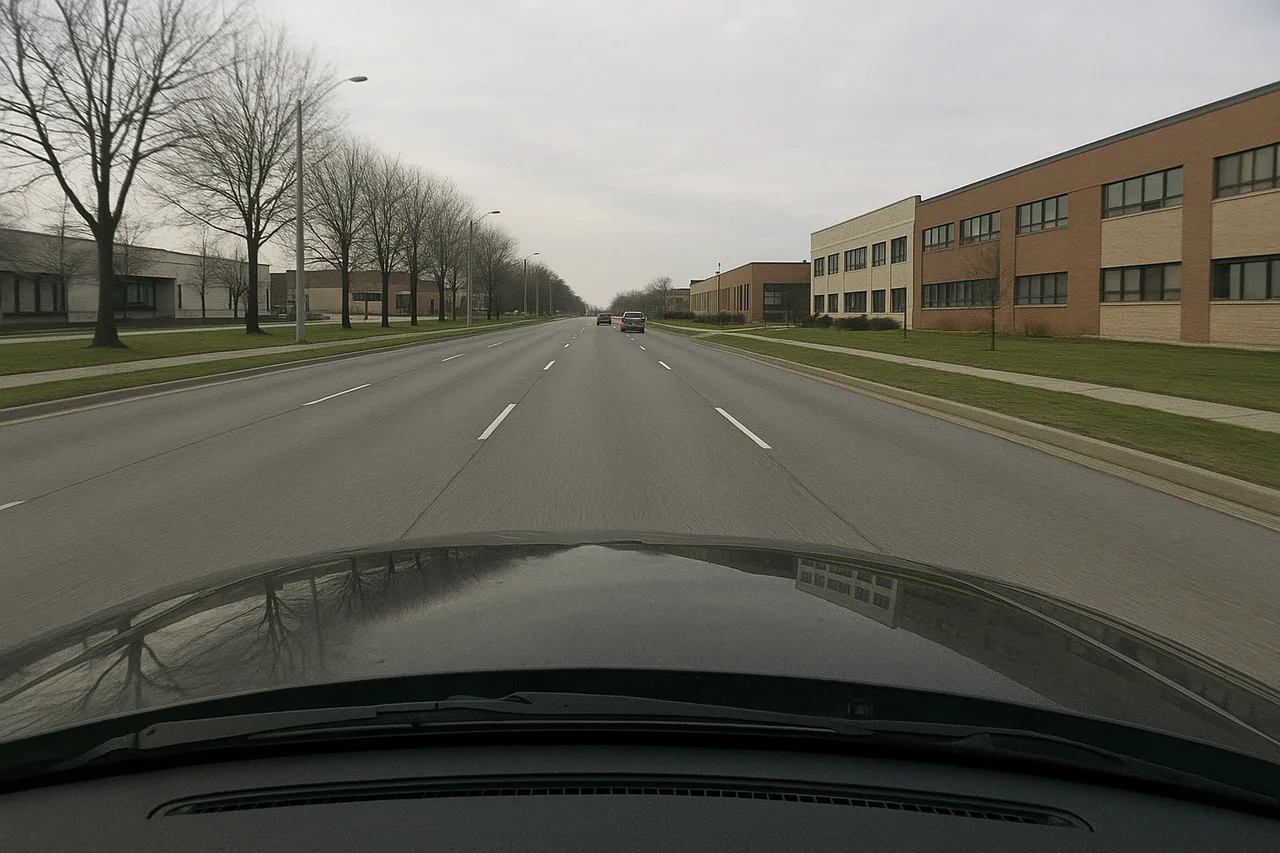
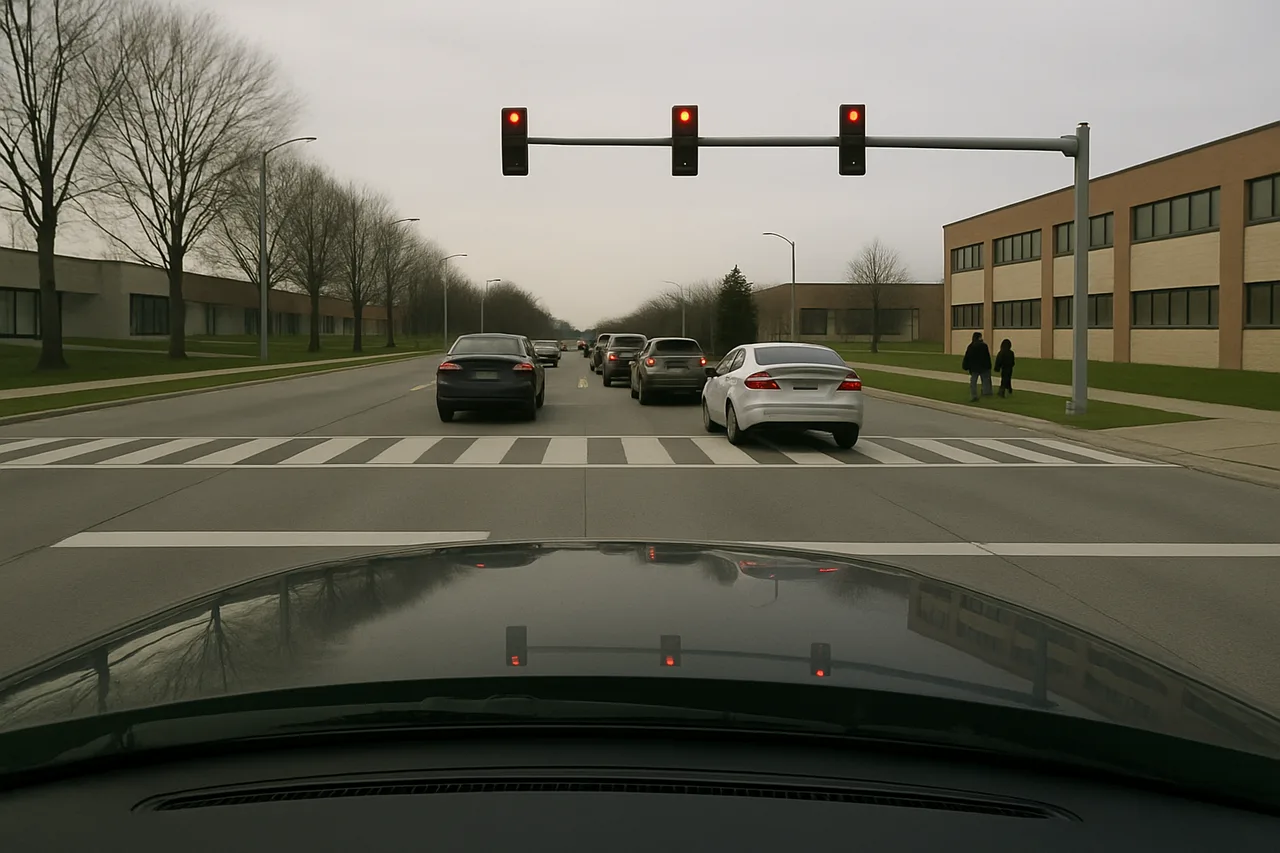
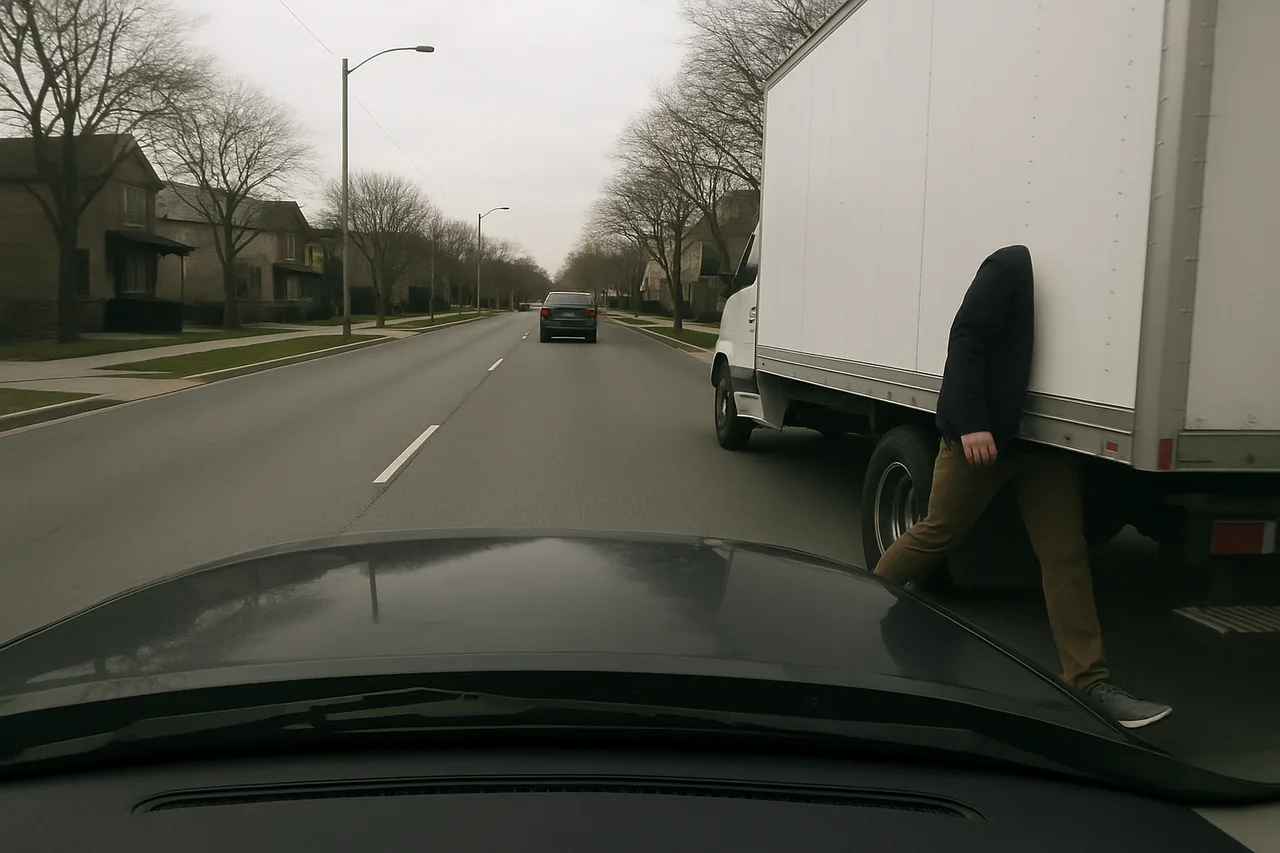
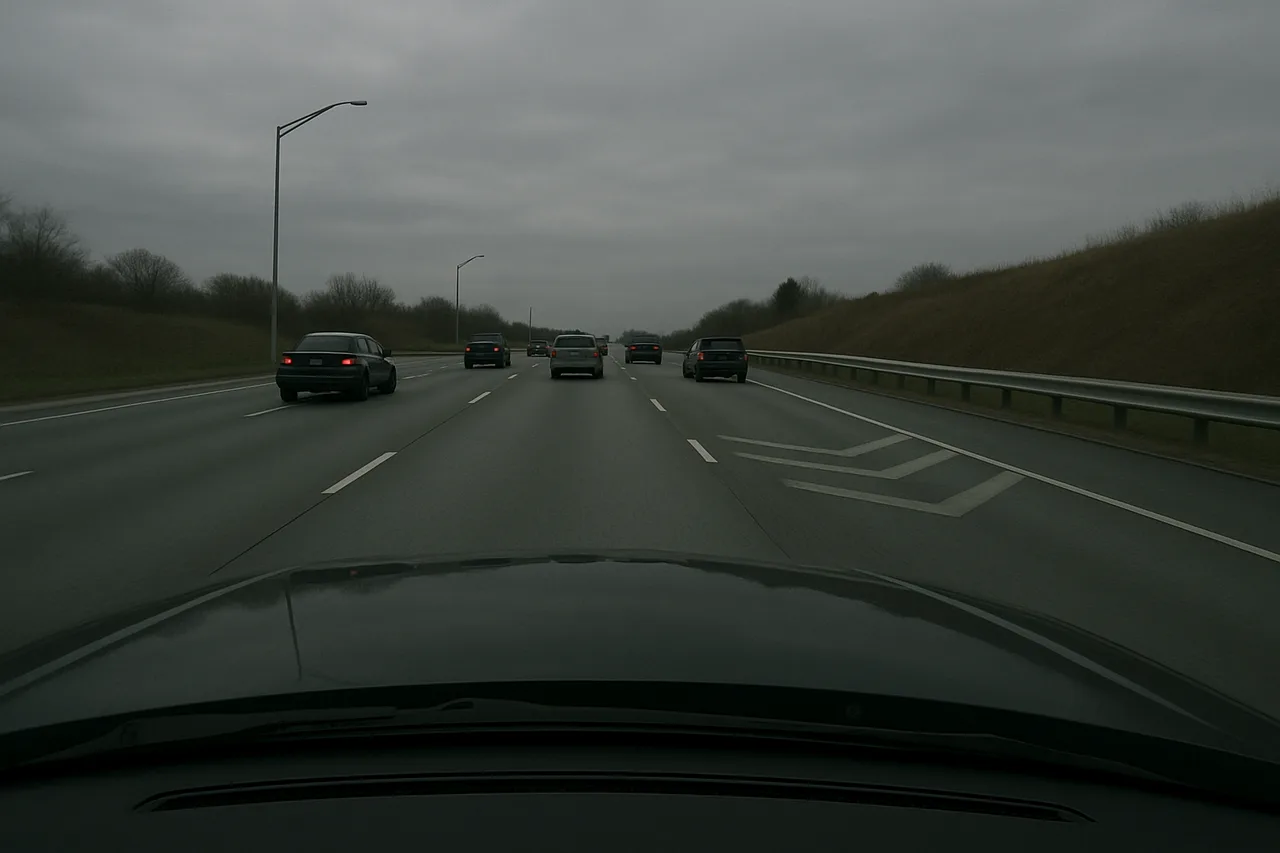
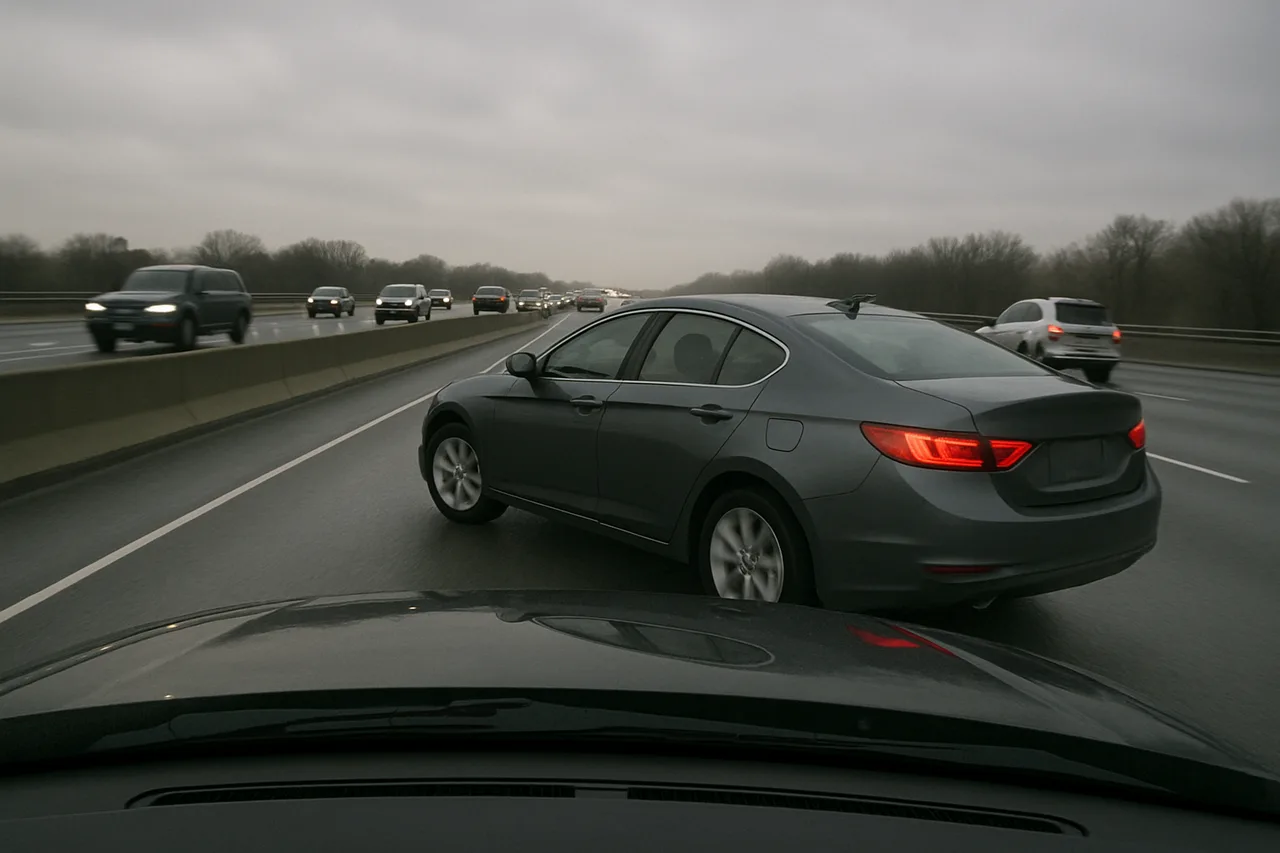
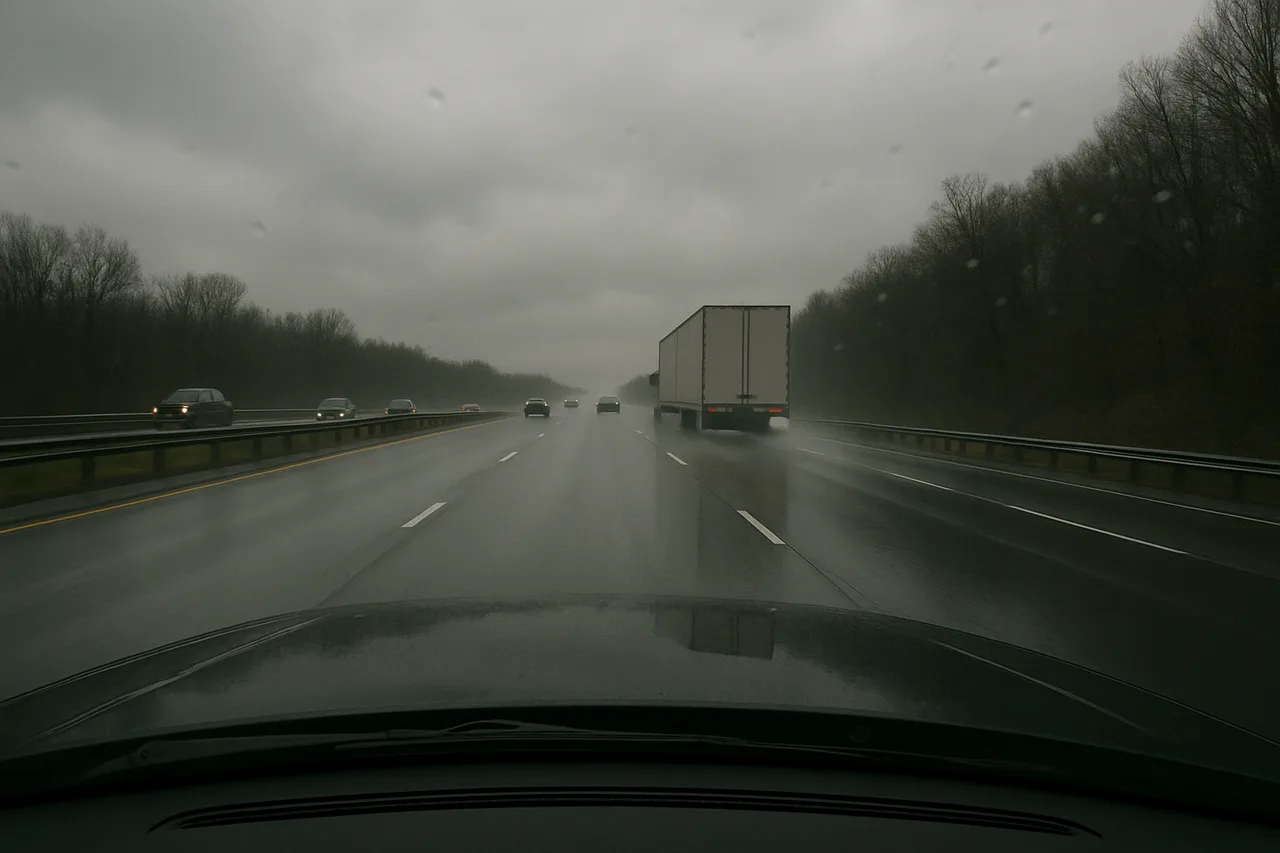
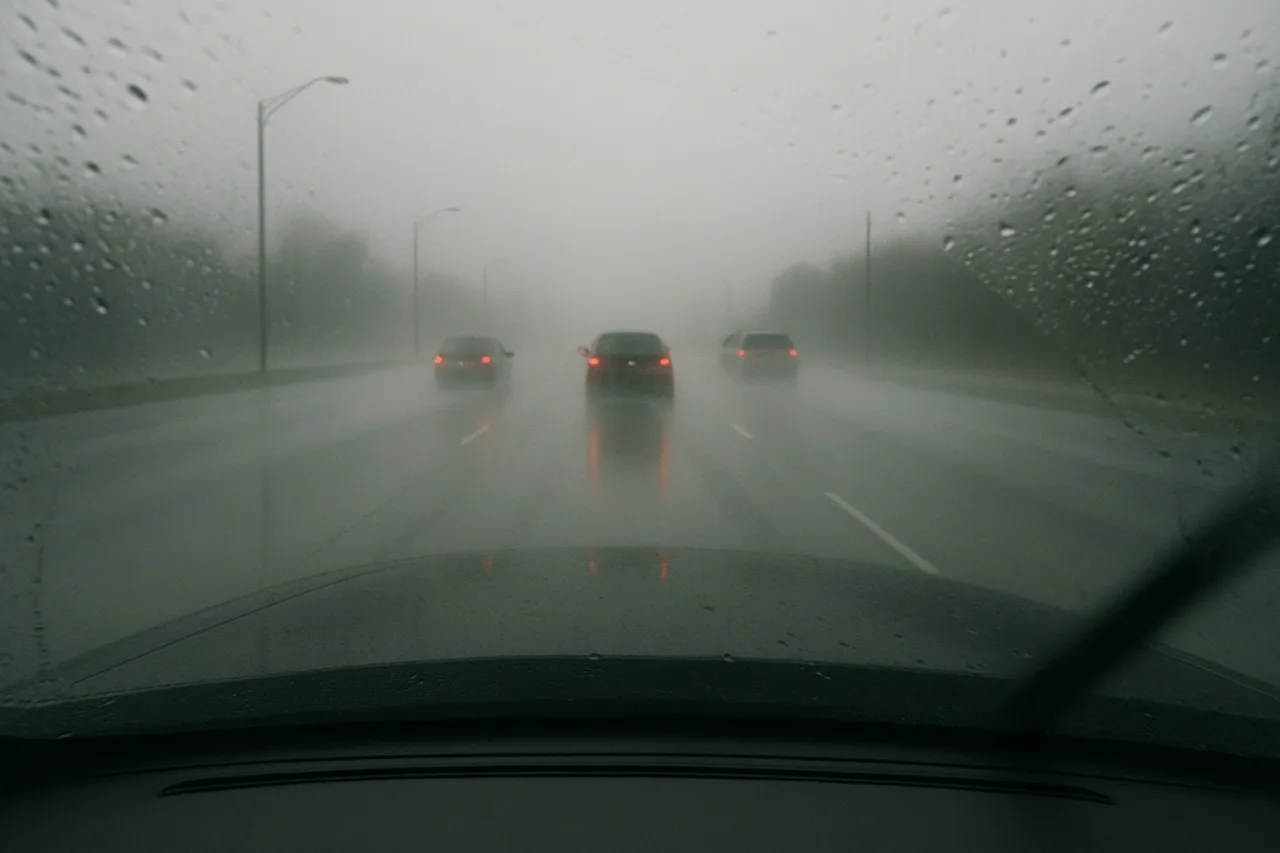

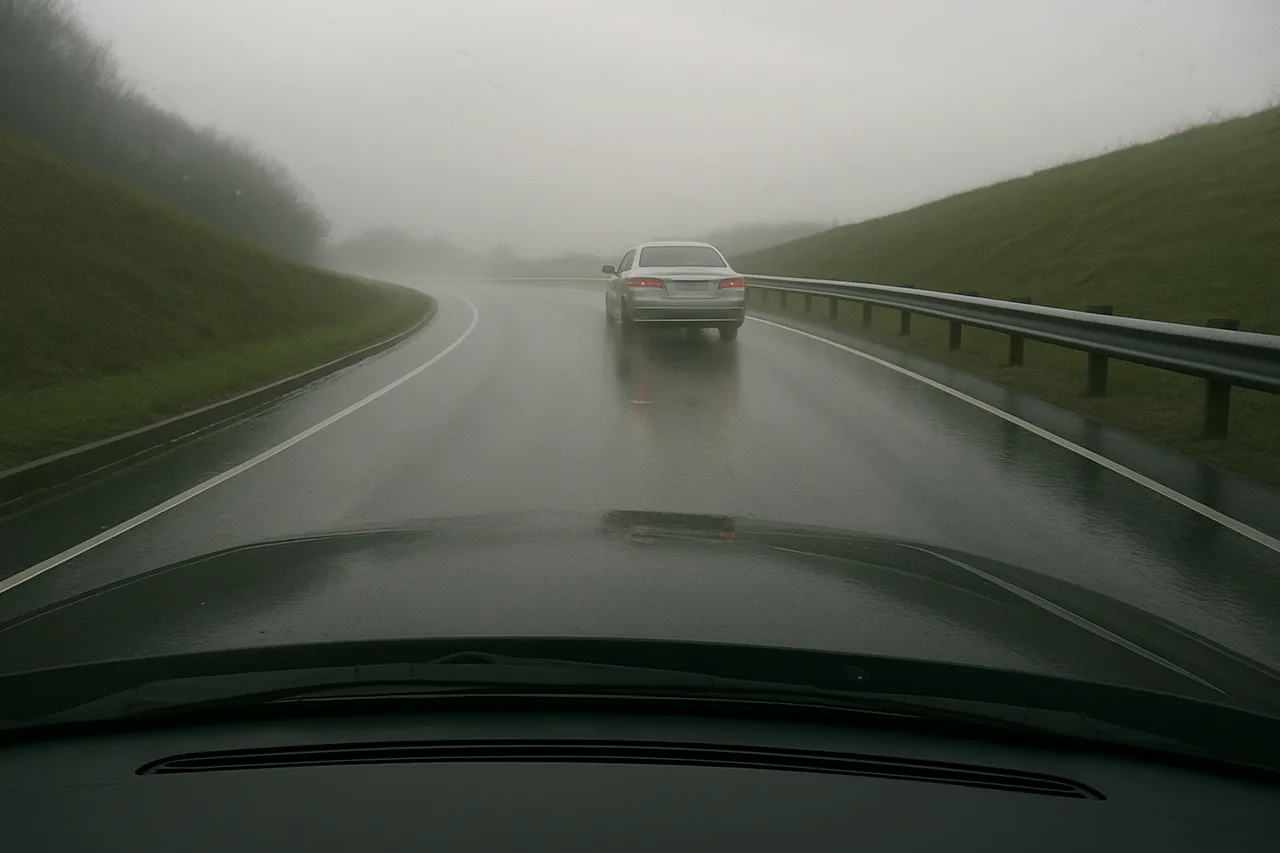
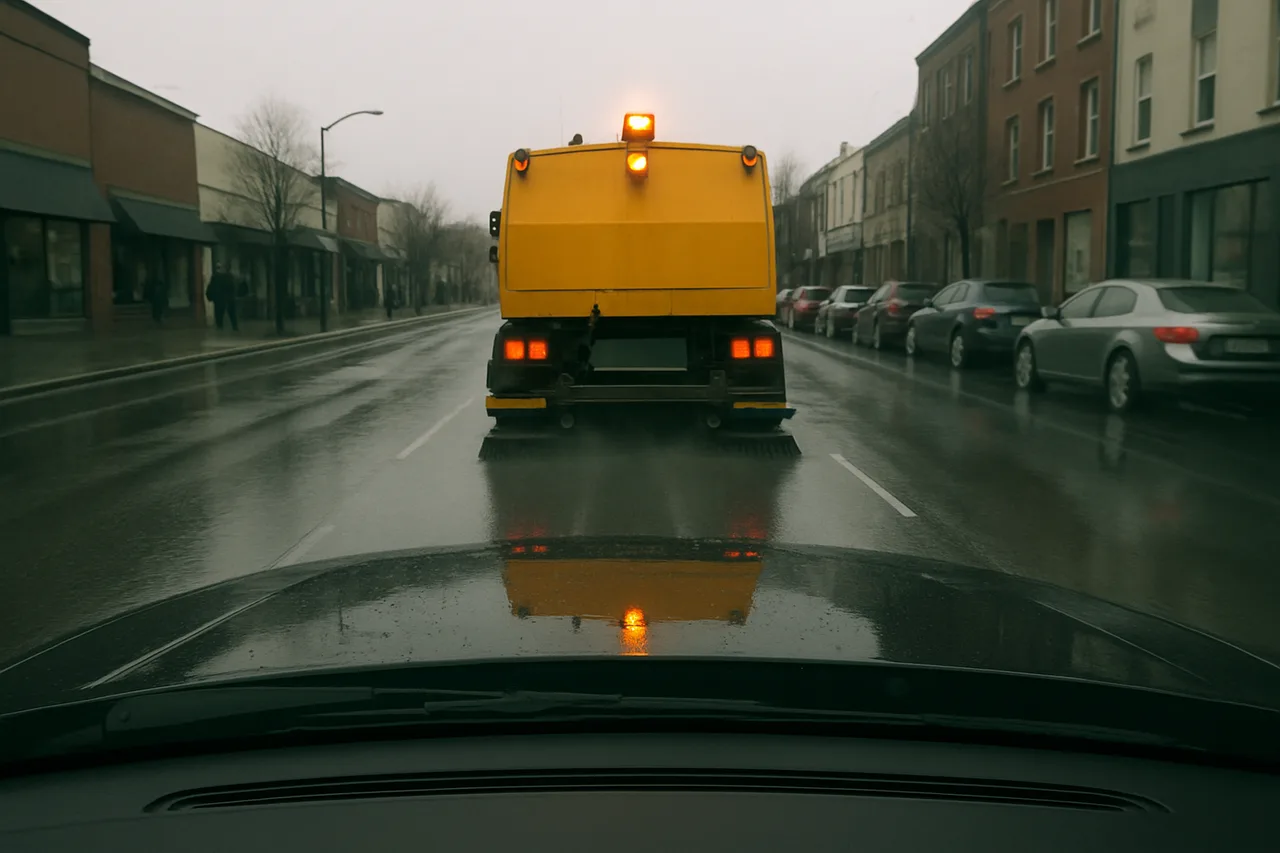
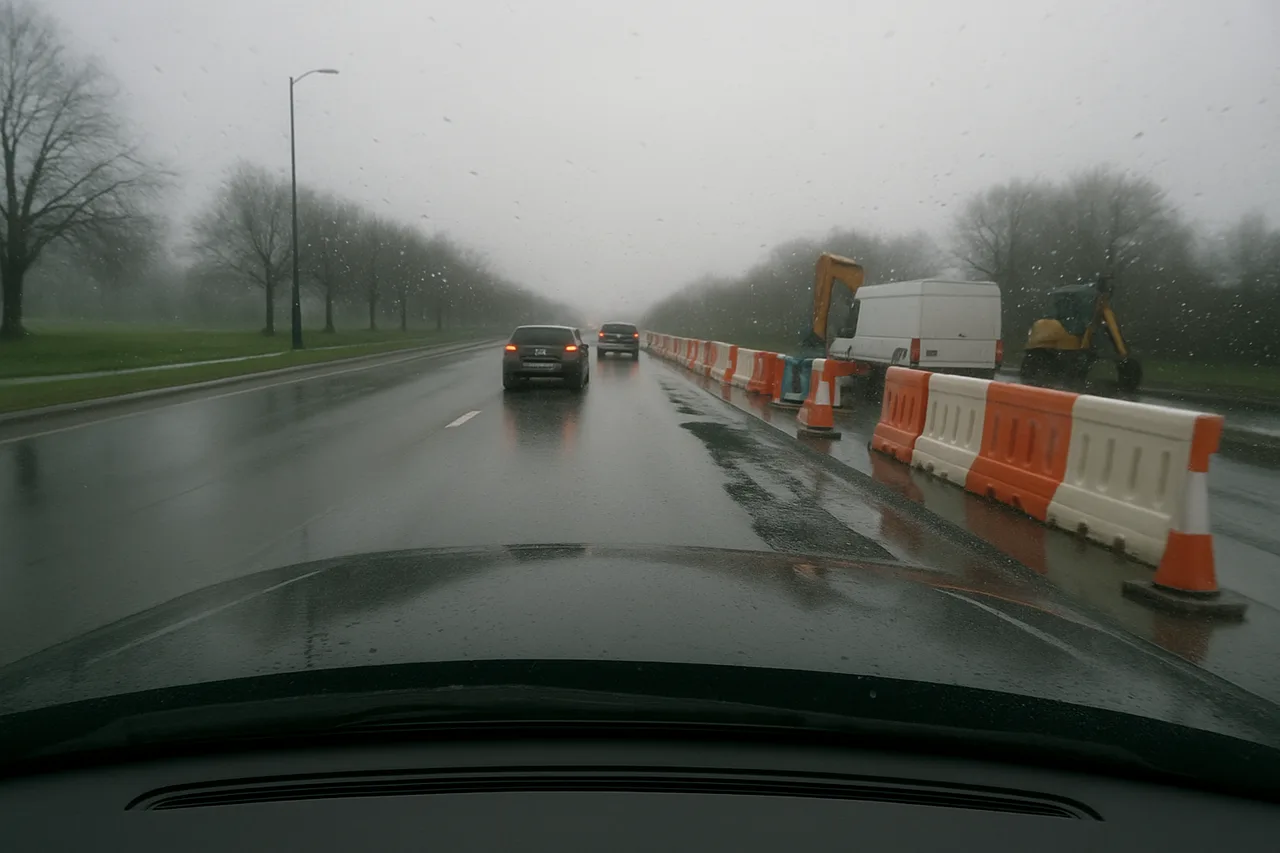
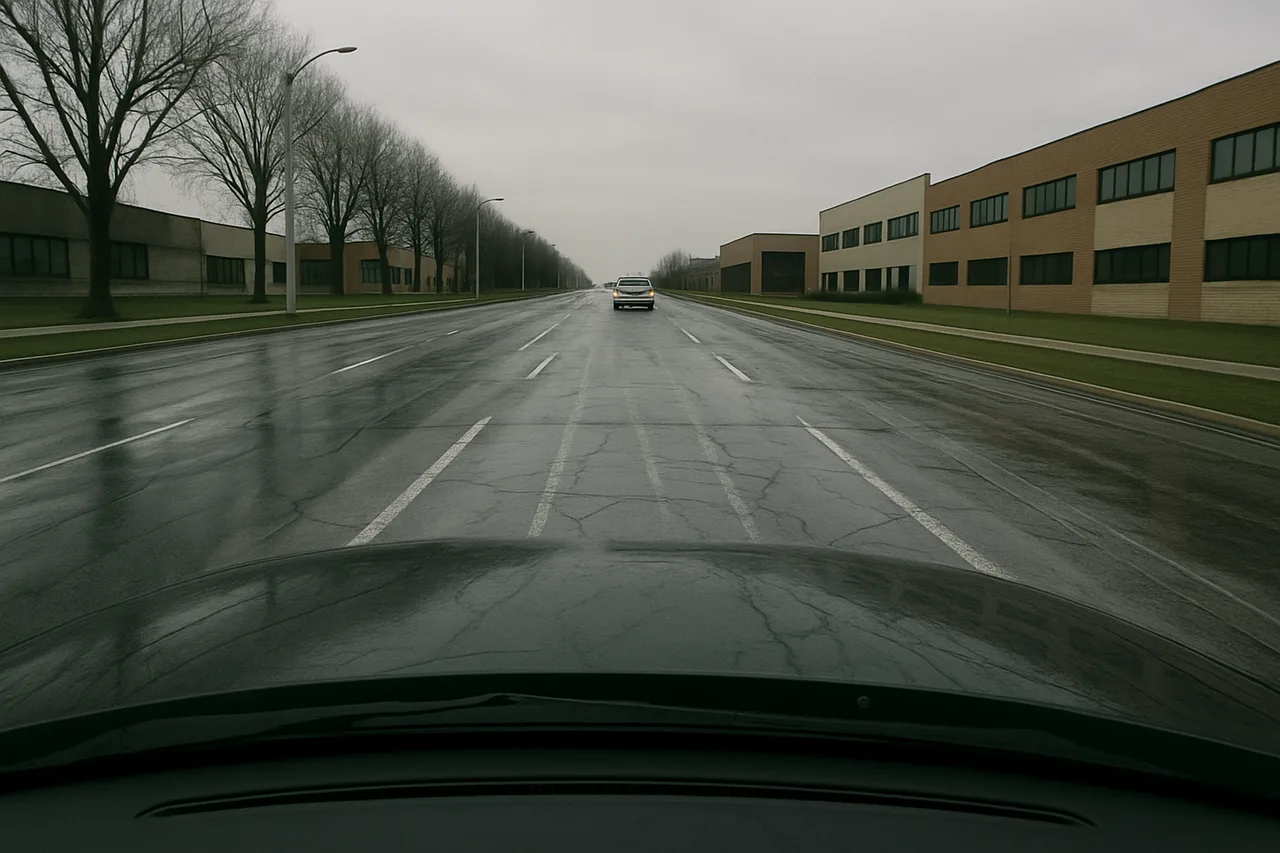
Urban arterial, light overcast
Stage 03
Annotation ontology
Raw frames become training data through annotation. Toggle the layers below to see how one frame carries bounding boxes, segmentation masks and lane geometry at once. Ontology design decides what a model can ever learn.
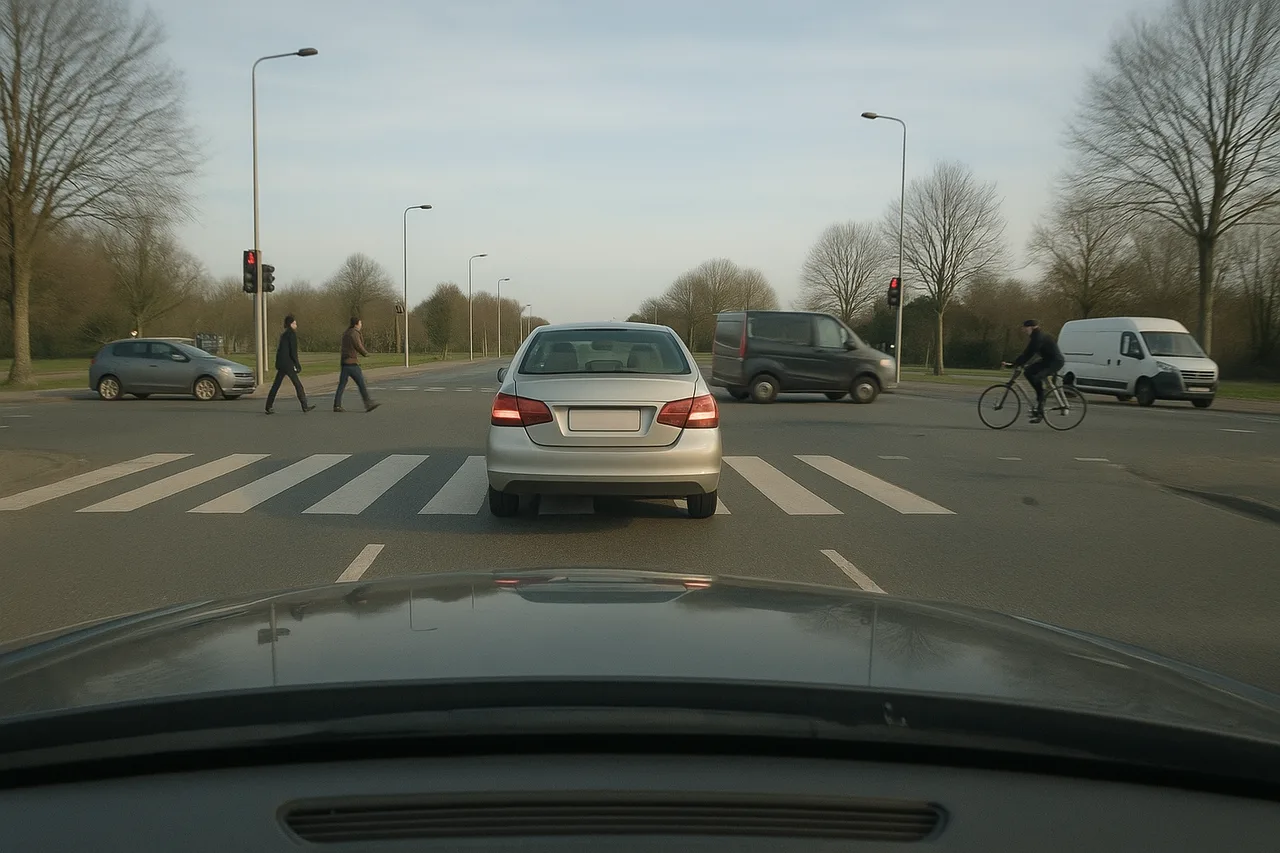 Synthetic simulation
- Bounding boxes
- Object class and extent. What is there, and where it ends.
- Segmentation masks
- Region class per pixel. Drivable surface, crossing, everything else.
- Lane geometry
- Lane boundaries, the stop line and the path the vehicle intends to take.
Stage 04
Rare-event curation
Not all frames are worth the same. A frame of an empty highway teaches a model almost nothing. A frame of a pedestrian stepping out from behind a parked truck is gold. The chart below plots frequency against training value. The pipeline's job is to fill the top left.
Hover or tap a point to see what it is worth. Rare sits on the left. Valuable sits at the top.
Share of fleet frames runs on a log scale. Each step to the left is ten times rarer, which is why the top left fills slowly and costs the most to fill.
Stage 05
The evaluation loop
The pipeline never ends. Model errors point to data gaps. Data gaps drive targeted collection. New data gets annotated and the model retrains. Watch the loop run.
01Model errors
Failures on the held out set are grouped by what they have in common, not by how bad they were.
02Targeted collection
Each group becomes a collection brief. Route, weather, time of day, vehicle mix.
03Annotation
New frames are labelled against the same ontology, then sampled for quality assurance.
04Retrain
The model trains on the improved set. The next evaluation names the next gap.
- Edge cases mined
- 12,480
- Frames annotated
- 864,200
- Eval score
- 91.40%
Counters are simulated and seeded. They reset when the page reloads, so nothing here is a claim about a live programme.
Where this goes next
Every stage above is a service. Collection design, edge-case mining, annotation at scale and evaluation ops. We run these pipelines for AI teams in 18+ countries and 35+ languages. If your model needs data, the pipeline starts with a call.
Corpshore AI inquiries info@corpshore.ai. Wider group info@corpshore.solutions.
Companion document
Inside an AV data pipeline, executive summary
The walkthrough above stays open to everyone. The document is the written version, with the stages, the visuals and where each one maps to a service line.
Questions
What people ask about AV training data
What is an AV data pipeline?
It is the end-to-end process that turns raw sensor recordings from vehicles into training data for self-driving models. The core stages are fleet capture, edge-case mining, annotation, curation and evaluation.
What is edge-case mining?
It is the search for rare and difficult moments inside huge volumes of routine driving data. Models fail on what they rarely see, so mining finds the frames that matter most before annotation spend is committed.
Why do self-driving models need rare events?
Common scenes are already well learned. Performance gains come from unusual situations like occluded pedestrians, sudden cut-ins and degraded road markings. Rare events carry the highest training value per frame.
How is autonomous vehicle data annotated?
Trained annotators apply a defined ontology to each frame. Typical layers include bounding boxes for objects, segmentation masks for regions and geometry for lanes. Quality assurance passes check accuracy and consistency.
What is the evaluation loop in AV training?
Model errors are analyzed to find data gaps. Those gaps drive targeted collection and annotation, and the model retrains on the improved dataset. The loop repeats continuously through the life of the program.
Who builds these pipelines commercially?
Specialist data operations providers do. Corpshore AI designs and runs collection, annotation and evaluation pipelines for AI teams across 18+ countries and 35+ languages. Visit corpshore.ai to start a conversation.