Social Demos, episode 3
The world is the training set.
Embodied AI models learn from human-generated first-person video collected in the real environments where they will operate. Here is what a managed global field collection program looks like.
All footage previews, annotation outputs and metrics in this demo are synthetic and simulated. No client data is shown.


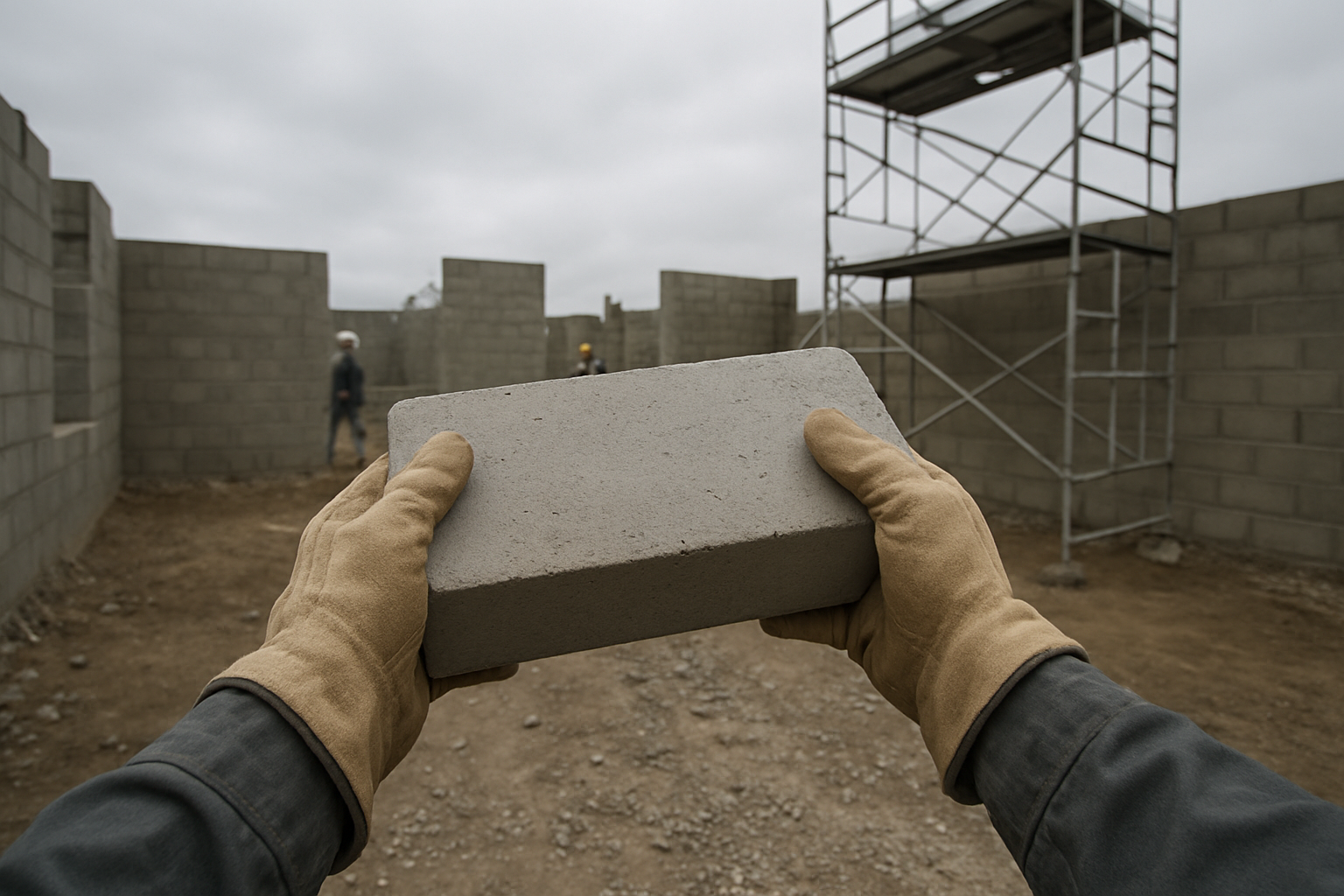


Stage 01
Commission a collection environment
A physical AI training program begins with environment selection. Each environment type determines what tasks can be collected, which rig configurations apply, which languages the participant pool covers and what consent protocols are required. Select an environment to see its task breakdown and add it to your program scope.
Residential
Commercial

Kitchen
Food prep, appliance operation, storage tasks
Session length
45 to 90 min
Tasks per session
12 to 18
Rigs per participant
2 (head and torso)
Residential environments require written informed consent from all household members. Corpshore AI provides consent chain documentation.
Program summary
Environments selected
0
Estimated sessions
0
Language pool
0
Simulated session estimates. Actual scoping depends on environment availability and program objectives.
Stage 02
How field collection is executed
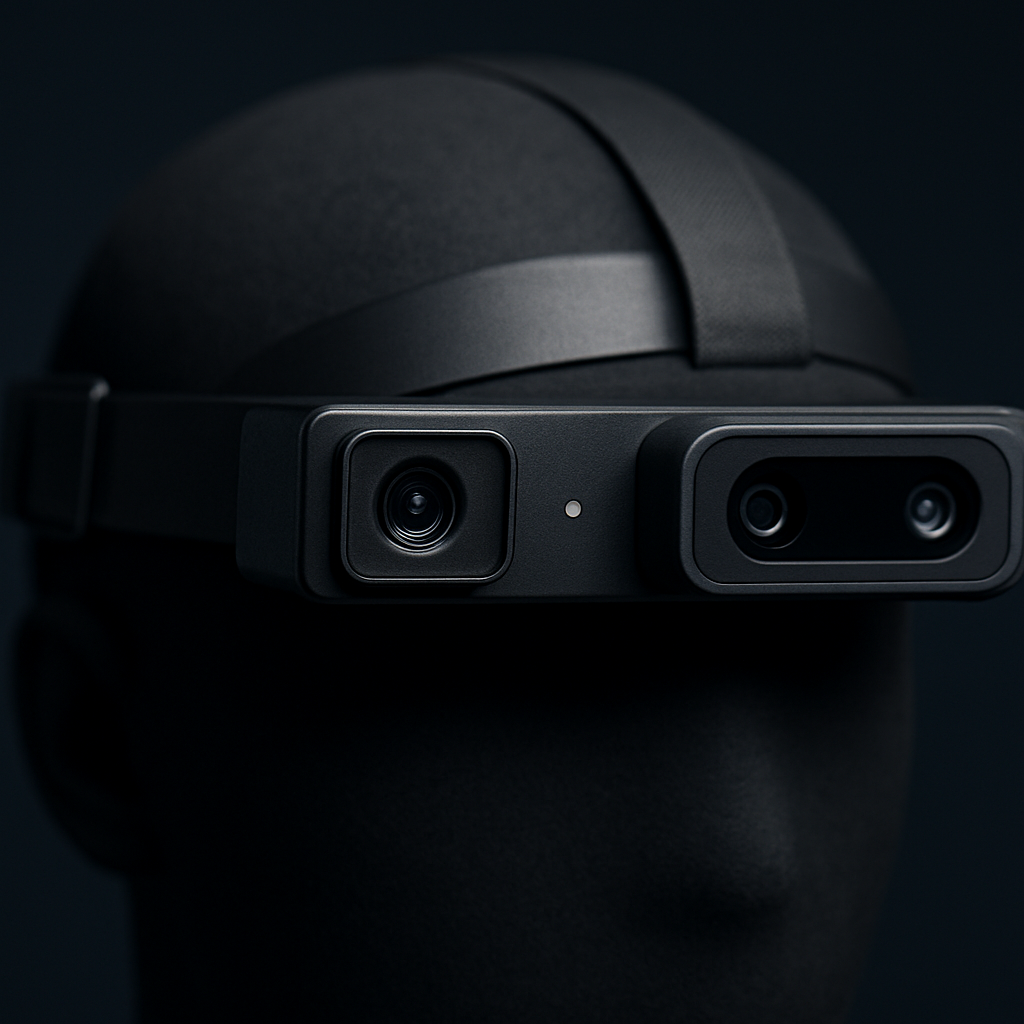
Egocentric data collection is a physical operation. Participants wear camera rigs in real environments and perform defined tasks while the footage is captured, timestamped and tagged with session metadata. The rig configuration determines what the footage can train: a monocular head-mount trains navigation and object interaction, a stereo rig trains depth perception and grasping, a multi-view sync setup enables ground-truth depth reconstruction.
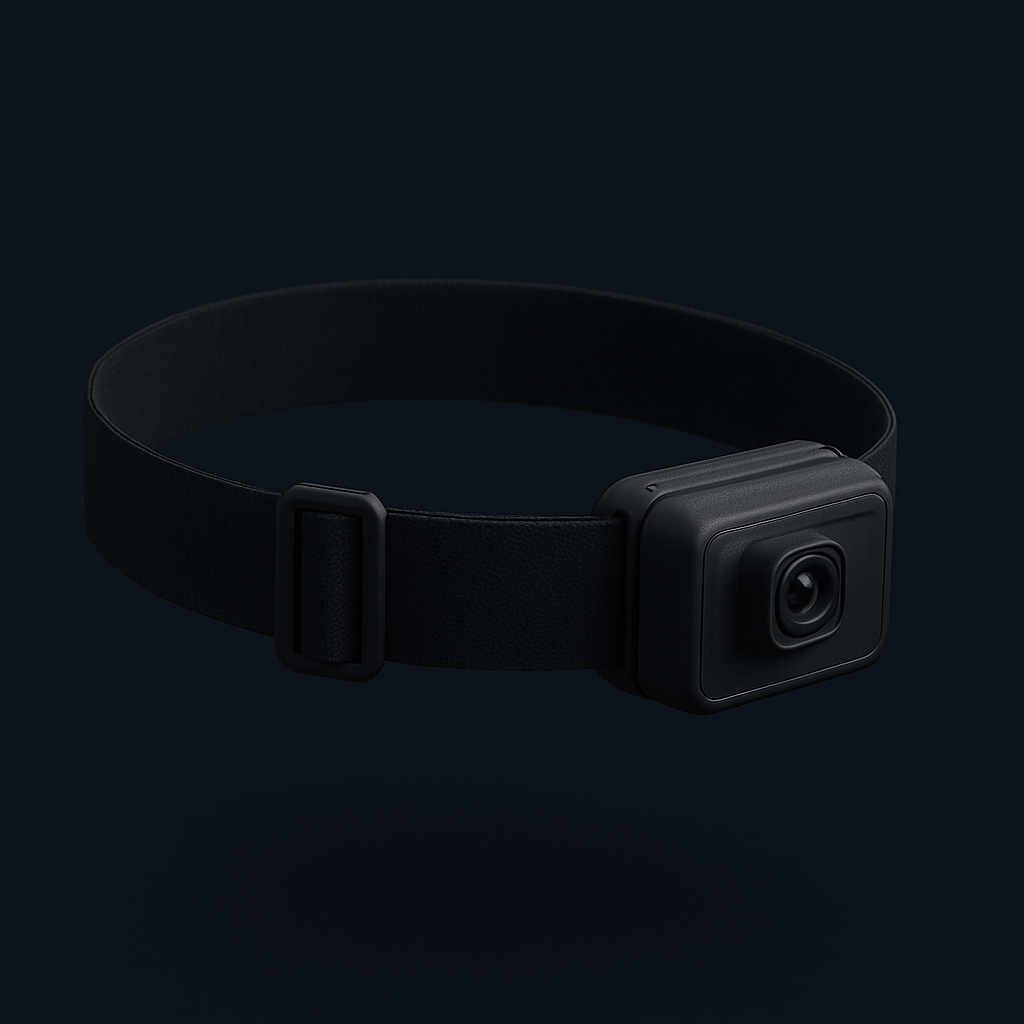
Head-mounted monocular
Task completion, object interaction, navigation
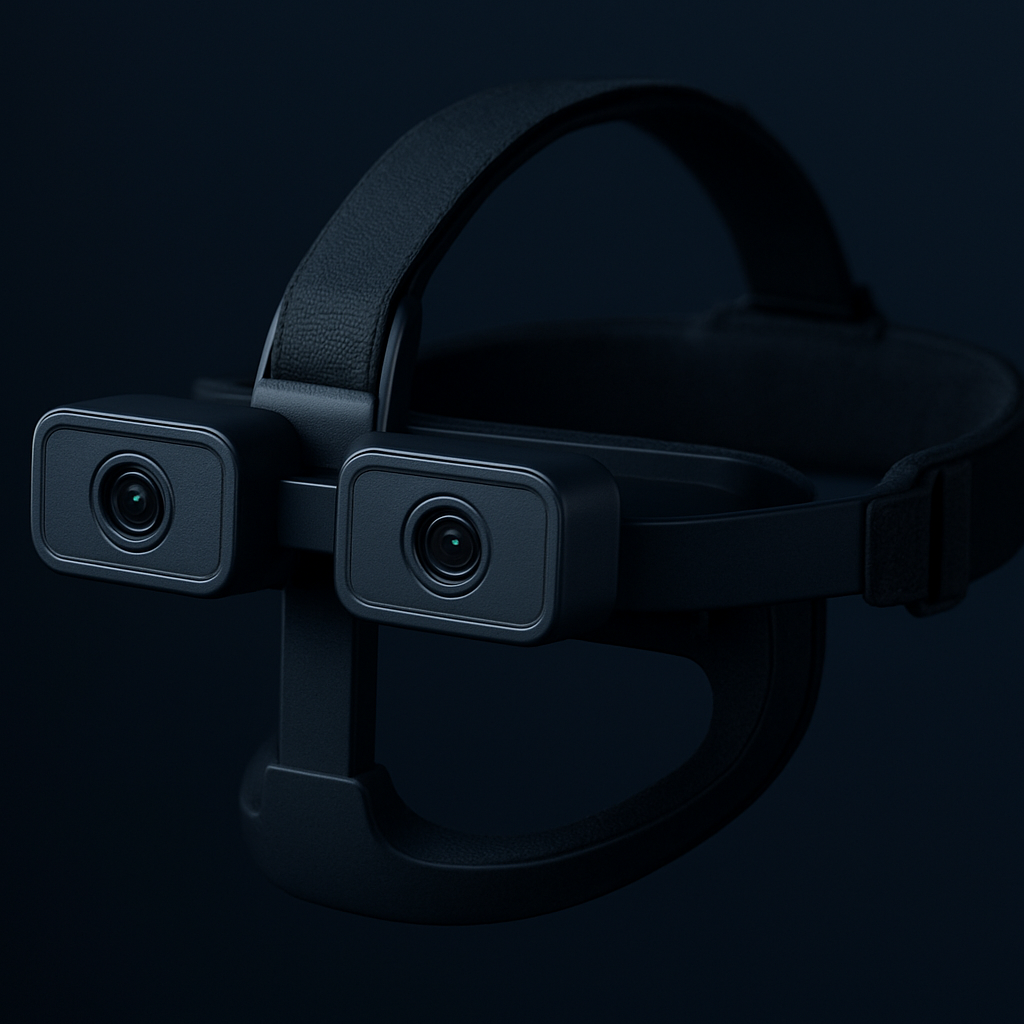
Binocular head-mounted (stereo)
Depth-sensitive manipulation tasks, VLA training, grasping research
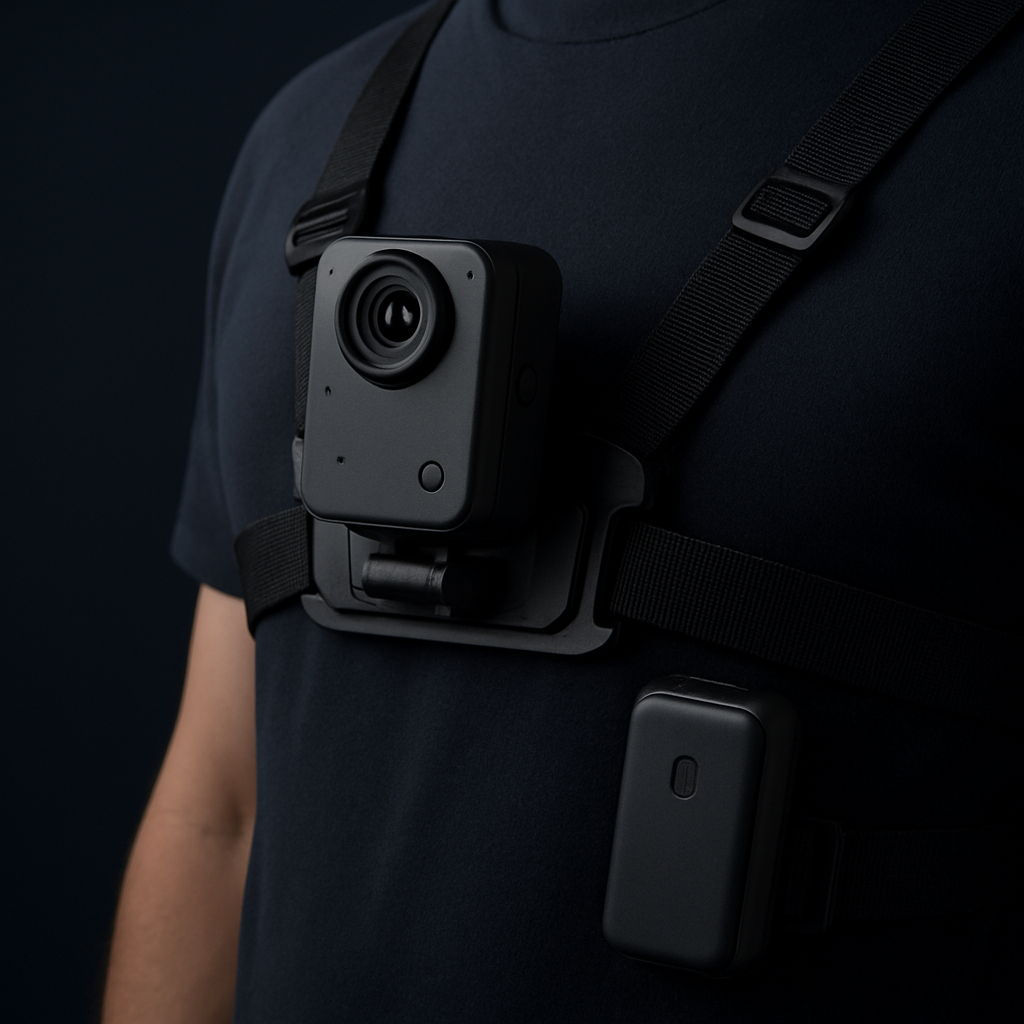
Torso-mounted wide-angle
Ambient environment mapping, hand-arm interaction from below, seated task capture
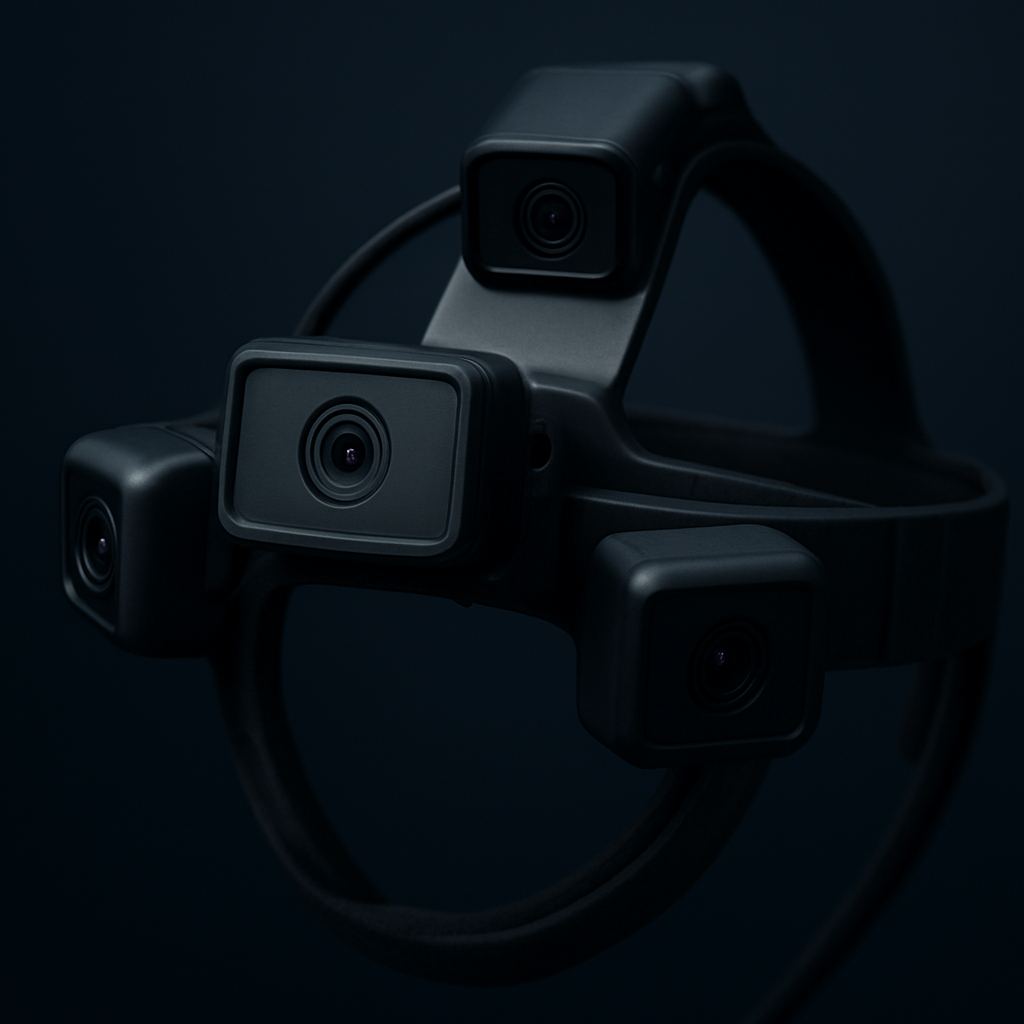
Multi-view sync
Manipulation with ground-truth depth reconstruction, full-body motion capture integration
Environment-fixed + egocentric pair
VLA annotation cross-reference, ground truth for object location tracking

Mobile platform egocentric
Environment mapping, obstacle annotation, autonomous navigation baseline
Scroll to see all 6 collection modes. Simulated equipment specifications.
Stage 03
From raw footage to training-ready data
Raw egocentric video is not training data. It becomes training data through a 5-stage annotation pipeline: ingest and quality screening, clip segmentation, object and action labeling, QA verification and gold task validation. The pipeline runs differently depending on the downstream use case. Switch between Annotation, RLHF and Evaluation modes to see how the stages change, then click any stage to read the task definition.
Raw footage ingest
Automated
Clip segmentation
Tier 1 annotators
Object and action labeling
Tier 2 annotators
QA verification
QA reviewers
Gold task validation
Super reviewers
Stage 04
Quality governance for field-collected data
Field collection introduces quality challenges that do not exist in text or image annotation: lighting conditions, rig drift, incomplete task execution and consent documentation gaps. Every session is scored across four dimensions before its footage enters the annotation pipeline. Sessions below threshold are quarantined and rescheduled.
Session scorecard
Simulated session quality data.
| Session | Environment | Hours | Score | Status |
|---|---|---|---|---|
| sess-2847 | Warehouse / fulfillment | 1.5h | 94 | PASSED |
| sess-2851 | Kitchen residential | 0.9h | 88 | PASSED |
| sess-2863 | Office workstation | 1.2h | 71 | CONDITIONAL |
| sess-2879 | Construction site | 2h | 55 | FAILED |
| sess-2891 | Retail floor | 1.1h | 91 | PASSED |
| sess-2902 | Kitchen food service | 0.8h | 83 | PASSED |
Rejection reasons
Simulated distribution.
Consent chain
Rolling quality trend
30 sessions. Simulated quality scores.
Stage 05
Where Corpshore AI can collect
Field collection requires coordinators, participant pools and logistics infrastructure in market. Corpshore AI has active delivery hubs in 18+ countries across the Americas, Europe, Africa and Asia, with contributor pools in 150+ countries for remote annotation and evaluation work. Toggle the map layers to see delivery hubs and contributor reach separately, and hover any hub to see its supported collection modes and lead time.
18+
Active delivery hubs
150+
Contributor countries
35+
Collection languages
Corpshore AI stated figures.
Where this goes next
The hardest part of physical AI is the data.
Egocentric video for physical AI is not a dataset you purchase from an aggregator. It has to be designed, scheduled, coordinated and quality-checked in the real environments the model will operate in. The diversity of environment types, participant demographics, lighting conditions and task sequences that makes a collection program valuable is also what makes it operationally complex.
The annotation pipeline compounds that complexity. Raw footage becomes training-ready data through a structured sequence of segmentation, labeling and QA steps, each with its own quality bar and recalibration loop. A program that runs the collection well but annotates inconsistently produces a dataset that will not generalize.
Corpshore AI designs and operates egocentric collection programs end to end: environment scoping, participant recruitment, rig deployment, consent management, annotation and quality governance. If your team is building physical AI and needs training data from the real world, this is the conversation to have.
Buyer's guide
Egocentric Data Collection for Physical AI
A buyer's guide for physical AI teams
Eight to ten pages covering what egocentric data collection is, how to scope a collection program, the six collection modes, quality governance and Corpshore AI's global field collection footprint.
Companion document
Egocentric Data Collection for Physical AI
The walkthrough above stays open to everyone. The document is the written version, with the stages, the visuals and where each one maps to a service line.
Questions
What people ask about egocentric data collection
What is egocentric data collection for AI?
Egocentric data collection is the process of capturing first-person video from the perspective of a human participant wearing a head or torso-mounted camera while performing tasks in a real environment. The resulting footage, once annotated, is used to train embodied AI models, manipulation systems and robotic assistants to understand and replicate human task completion.
What environments does Corpshore AI collect egocentric data in?
Corpshore AI supports collection across 12 environment types in two groups: residential environments including kitchens, living rooms, bedrooms, bathrooms, laundry rooms and garages, and commercial environments including warehouses, offices, retail floors, construction sites, commercial kitchens and hospital facilities.
What camera rigs are used for egocentric data collection?
Corpshore AI supports six rig configurations: head-mounted monocular, binocular stereo, torso-mounted wide-angle, multi-view sync, environment-fixed plus egocentric pair and mobile platform egocentric. The right configuration depends on the task type and the downstream training objective.
How is participant consent managed in a collection program?
Consent requirements vary by environment type. Residential environments require written informed consent from all household members. Commercial environments require operator consent and participant agreements. Healthcare environments require IRB review. Corpshore AI manages all consent chain documentation and holds sessions where consent is incomplete.
What quality score does a session need to pass?
Sessions are scored across four dimensions: lighting adequacy, rig stability, task completion rate and consent verification status. A session scoring above 85 passes outright. A session between 65 and 84 is conditionally accepted and subject to coordinator review. A session below 65 is rejected and rescheduled.
How many countries can Corpshore AI collect egocentric data in?
Corpshore AI has active field collection delivery hubs in 18+ countries across the Americas, Europe, Africa and Asia, with contributor pools available in 150+ countries for remote annotation and evaluation work.
Corpshore AI designs and operates egocentric data collection programs for physical AI teams building embodied models, manipulation systems and robotic assistants. A collection program spans environment scoping, participant recruitment across 18+ countries, rig deployment, consent chain management and a 5-stage annotation pipeline covering segmentation, object labeling and quality verification. Corpshore AI supports annotation pipelines for three downstream use cases: standard annotation for supervised learning, RLHF pipelines producing human preference pairs and model evaluation programs measuring failure mode rates against a human gold standard. All collection programs operate under defined consent protocols and quality governance, with per-session scoring and corrective action triggers. Collection is available across 35+ languages from hub countries in Latin America, Europe, Africa and Asia. Inquiries: info@corpshore.ai.